I never would have dreamed that humanity would allow politics to overrule the ability to feel empathy. Call me naive, but compassion has always been the light that keeps us from repeating the darkest parts of our history. Yet, I always think we will get better.
One would think that after everything history has shown us, we would finally learn. But yesterday, I witnessed something that made my heart drop. It was a moment when politics seemed more important than life itself.
A woman was killed. A man took his own life. Children were left behind in the aftermath of that violence. And instead of compassion for those children, instead of sorrow for a life taken, the first thing many people asked was, “I wonder what political group he belonged to.” I rarely write in the comment section of online news, but the heaviness in my heart left me no choice.
What Should Have Been Said
In moments like this, the first words spoken should have been simple:
“Those poor children.”
“A woman lost her life.”
“This is heartbreaking.”
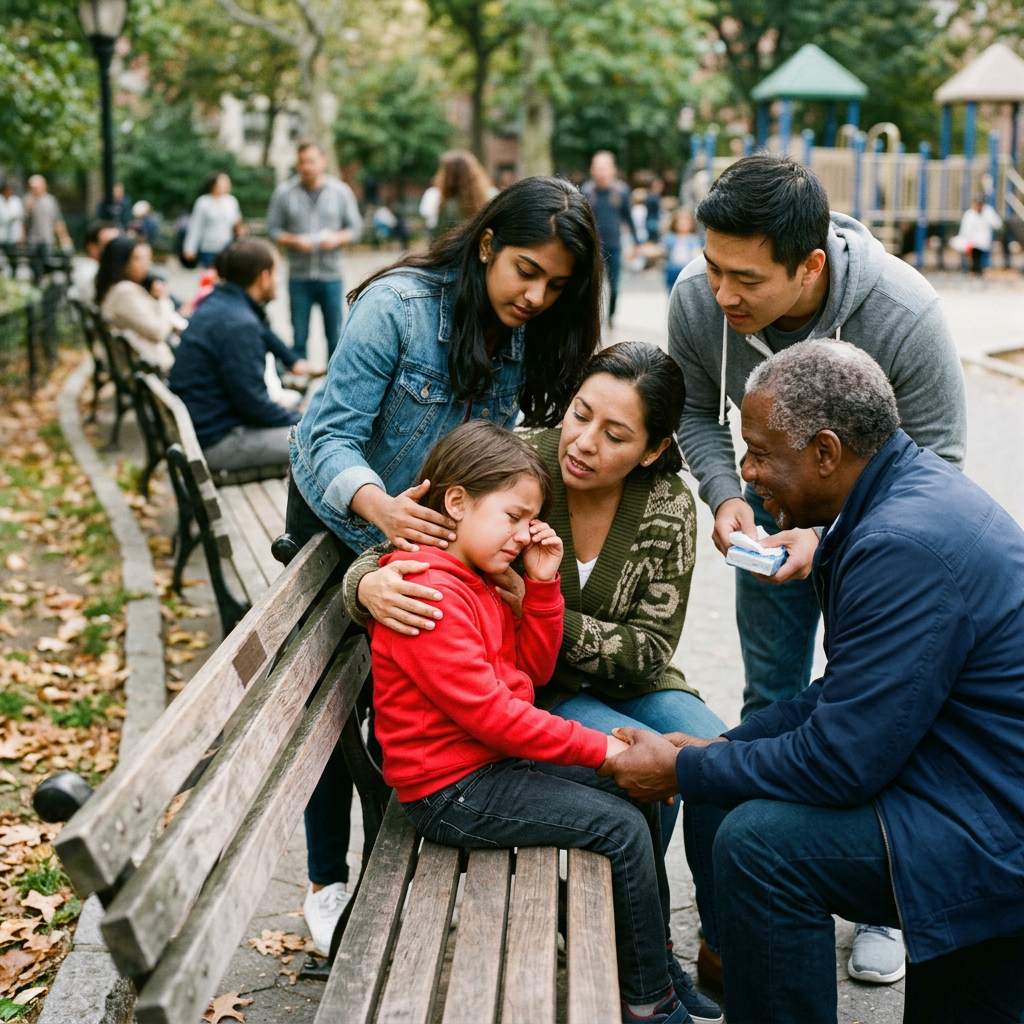
Compassion should have led the way, not speculation, not politics, not the need to put people into groups. A family was destroyed. Children woke up in a world that will never feel the same again. That alone should have been enough to quiet the noise and awaken empathy. Instead, the conversation shifted to politics, as if a person’s worth depended on which box they marked on a voter registration form. As if the suffering of children was less important than protecting a narrative. That is not who we are meant to be.
Why Compassion Must Come First
Compassion is not weakness. It is not optional. It is not something we extend only to those who think like us. Compassion is the thread that keeps humanity from unraveling. It is the one force that interrupts the cycles of cruelty that history keeps trying to repeat. It is the reminder that before we are anything else, before we are voters, citizens, or members of any group, we are human beings.
When we lose the ability to feel for others, especially for children caught in the aftermath of violence, we lose the part of ourselves that makes us human. Politics may shape our opinions, but compassion shapes our character. And in moments of tragedy, character must come first
In the absence of compassion, something colder takes its place. The day we stop feeling for one another is the day we lose humanity.
 The Home of Blended Lineage Families