Introduction
Every nation experiences pivotal moments—times that demand reflection and lessons that must never be forgotten or repeated. The Trump era was one such moment. I witnessed, with clear eyes, the ways it fractured families, strained friendships, and turned truth into something contested rather than commonly accepted.
This cycle is not unique to our time; history shows it is a recurring pattern.
The Trap: A Historical Pattern
This pattern, which I now call “The Trap,” threatens every generation. It appears as a strength but ultimately leads to destruction. Manipulative leaders—regardless of their title or motives—have consistently relied on the same five steps to tighten their grip on power.
Recognizing these steps is essential if we are to avoid falling victim to them again.
Step One: Create a Crisis (Real or Imagined)
The first step is to manufacture a sense of danger. Manipulators persuade the public with statements like:
- You’re in danger.
- Everything is falling apart.
- Only I can save you.
These messages serve as a fear hook. Throughout history, dictators have begun by claiming the world is on the brink of collapse. Fear makes even the most outrageous lies seem plausible, setting the stage for manipulation.
Step Two: Divide the People
Division is the oldest trick in the book. Leaders seeking to manipulate say things like:
Those people are the problem.
Your neighbors can’t be trusted.
Your fellow citizens are your enemy.
Stay with your own kind.
People like them will never change.
You must choose a side.
If they win, you lose.
Little by little, community bonds erode as people stop seeing each other as part of the same society.
Once people are convinced that their neighbors are a threat, they become easier to steer, frighten, and control.
Division can be seeded through race, political affiliation, gender, beliefs — anything that turns citizens into opponents instead of neighbors.
When people are separated into fearful groups, they stop talking, stop trusting, and stop imagining a shared future.
Internal division destroys nations faster than any external threat, as people stop seeing each other as part of the same society.
Step Three: Attack Truth Itself
Manipulators distort reality to weaken a nation. Their tactics include:
- Discrediting experts
- Mocking facts
- Rewriting history
- Confusing the public
- Flooding the world with noise
- Discrediting the media so people stop trusting independent sources
When people lose trust in journalists, researchers, fact‑checkers, historians, or any source outside the leader, the leader becomes the sole authority.
Once that happens, the public no longer has independent ways to verify what is true.
Facts become whatever the leader says they are.
Doubt becomes disloyalty.
And the people slowly stop relying on their own judgment, their own eyes, and their own lived experience.
A society that cannot check its leaders cannot correct them.
When truth becomes optional, manipulation becomes effortless.
Step Four: Build a Personality Cult
This step is rooted not in politics, but in psychology. Manipulators seek to convince people:
- I am the only one who understands you.
- I am the only one who can fix it.
- I am the nation.
When a leader demands loyalty instead of accountability, the trap is nearly closed.
Loyalty becomes a shield that protects the leader, not the people.
Criticism is treated as betrayal, and questions are treated as threats.
The public is encouraged to defend the leader rather than evaluate them.
Over time, responsibility is replaced with devotion, and devotion is rewarded more than honesty.
A leader who cannot be questioned cannot be corrected — and a leader who cannot be corrected cannot be trusted with power.
Step Five: Turn the People Against Themselves
The final stage involves fostering internal conflict. Leaders encourage:
- Suspicion
- Anger
- Chaos
- Neighbor vs. neighbor
- Family vs. family
A divided populace is unable to resist manipulation.
When people are separated into fearful, suspicious groups, they lose the ability to stand together or see the bigger picture.
Nations rarely collapse due to outside attacks; they crumble when people stop recognizing each other’s humanity.
Once citizens begin to see one another as enemies instead of neighbors, the social fabric weakens thread by thread.
A country can survive hardship, conflict, and even external threats — but it cannot survive the loss of empathy within its own borders.
When people no longer believe they belong to the same community, they become easier to mislead, control, and turn against one another.
The Lesson: How We Never Do This Again
To preserve freedom, a nation must practice the habits that keep it whole:
- Choosing unity over suspicion, even when it’s difficult
- Taking responsibility for one another as members of the same community
- Staying alert to the tactics that turn citizens against each other
- Healing old wounds instead of weaponizing them
- Recognizing the early signs of manipulation before they take root
Freedom isn’t protected by force alone — it’s protected by the character of the people.
A united, responsible, and aware society cannot be easily misled.
We have recognized the pattern.
We have seen the trap.
And now, we are wiser — steady enough to notice the signs, calm enough to resist them, and grounded enough to choose a different path.
A free people remain free by staying vigilant and refusing to let fear turn them against one another ever again.
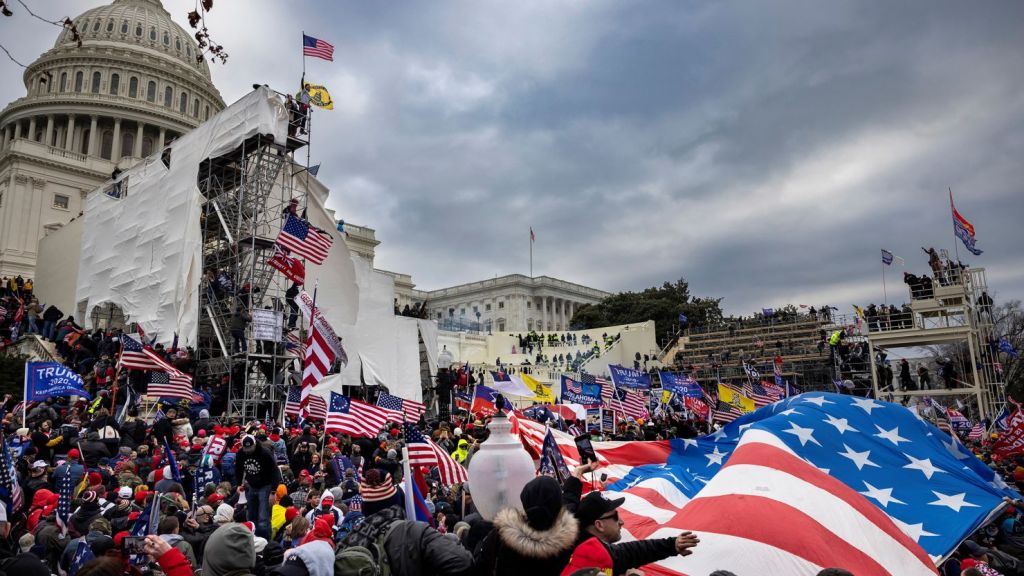
“Let this day stand as a reminder — and let it never happen again.”
 The Home of Blended Lineage Families