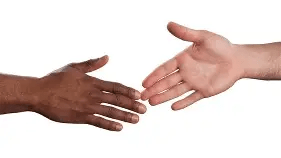
Explaining Pain Without Accusing
The truth is simple: pain that was lived can never be fully grasped by someone who did not experience it themselves. No matter how many stories are told, no matter how many videos are shown, not even the deepest sympathy can fully bridge the gap. Because of this distance, attempts to explain that pain can sometimes sound like accusations, even when that is not the intention. It is not that we are accusing anyone — the truth itself carries a weight that is hard to bear. The real task, then, is to explain the pain without attacking, to tell the truth without casting blame, to reveal the wound without causing it to bleed again, to open eyes without causing hearts to close. This is the delicate balance you are called to walk.
Even if you describe the feeling repeatedly, and even if every moment is witnessed on film, true understanding cannot come to those who did not live through it unless the explanation is strong enough to bear the full weight of that truth. Nor can it be fully grasped that those who have been hurt continue to feel the pain long after the original wound. The ache does not simply fade with time or explanation; it lingers, quietly shaping the lives of those affected. While others may listen and seek to understand, there remains a distance that cannot be crossed except by those who have borne the hurt themselves.
Recognizing Reality Without Blame
This is not a matter of blame or accusation — it is a simple reality, and acknowledging it is part of honoring the truth of that pain. The pain continues to linger when justice is not fully restored, when segregation persists for some, and when oppression still exists in different forms. Facing these facts is essential to recognizing the ongoing impact of injustice, and it is a necessary step in respecting the truth of what has been endured. By naming the reality without casting blame, we create space for genuine understanding and invite others to witness the lasting effects that remain when equality and restoration have not yet been fully achieved.
“We Weren’t Here — What Are You Blaming Us For?”
This question comes up often, stemming from confusion rather than guilt. Many who didn’t experience the injustice firsthand — and even those not yet born at the time — wonder why the weight of the past still seems to touch their lives. They ask, “We weren’t here. What are you blaming us for?”
The answer is simple and gentle: no one is blaming you for what you did not do. But everyone is responsible for what they now understand.
The past is not your fault. But the present is in your hands. The pain that lingers today is not asking for blame — it is asking for recognition. It is asking for awareness. It is asking for understanding strong enough to see how yesterday’s wounds still shape today’s lives. You are not being asked to carry the guilt of history. You are being asked to help carry the truth of it.
Translating Pain Into Understanding
This isn’t about blame, anger, or causing division. It’s about acting as a translator, turning personal, lived experiences into something that can be understood by those who haven’t gone through them. The process of explaining pain is not a single act but an ongoing journey. Each attempt to share opens the door a little wider, but the work of helping others see the truth is not yet complete. The bridge to true understanding is still under construction, requiring time, patience, and honesty. At the core of this effort lies a crucial insight: the intent is not to induce guilt or shame in others. Rather, it is to extend an invitation — to ask others to witness, to see, and to begin to understand the reality of pain that was not their own.
Vengeance Is Not the Way
Vengeance is the impulse of a wounded heart — quick, reactive, and hungry for repayment. It feels powerful in the moment, but it never restores what was lost. It never brings peace. It never heals the wound. Vengeance only multiplies the harm and keeps the cycle alive.
But compensation comes through justification — through truth standing up, through clarity rising, through that which is wrong being made right. Justification is not about revenge. It is about restoration. It is the moment when the record is corrected, the lie is exposed, and the weight is lifted.
The Limits of Reparation
True compensation cannot be achieved solely through the idea of reparation, because the debt of harm done is so vast — it stretches beyond what is possible to repay and is owed to more people than can ever be named. The scope of injury makes full repayment unattainable.
Instead, reparation takes another form: it is the act of opening doors that were once closed, ensuring equal treatment, and providing education that removes the blinders from injustice. These efforts do not erase the past or pay back an unpayable debt, but they work to right wrongs by creating fairness and awareness in the present.
Lost, Not Lazy
There is a painful misunderstanding that continues to shape how society — and especially government — views those who struggle. Too often, the assumption is that people are asking for something “free” or that they simply do not want to work hard enough to rise. But this assumption ignores the deeper truth: many were never given the tools, the guidance, or the pathways that others inherited without question.
Some families were so wounded by generations of exclusion, displacement, and deprivation that they did not know how to teach their children how to move upward. Not because they lacked intelligence. Not because they lacked desire. But because they had never been shown the way themselves. They were navigating a world built without them in mind, with no map, no mentor, and no margin for error.
These individuals were not lazy.
They were lost.
And they were lost because the systems around them never offered direction — only judgment.
Injustice Did Not Stop at Color — It Reached the Poor of Every Race
The harm of injustice did not fall only on people of color. While racial oppression carved the deepest wounds, poverty created its own form of captivity — one that pulled in many poor white families as well. They, too, were denied opportunity. They, too, were kept in cycles of struggle. They, too, were left without guidance, without access, and without the knowledge of how to rise.
They were not privileged simply because they were white.
They were not protected from struggle.
They were not handed the tools to climb.
They were simply poor, and in America, poverty has always carried its own form of exclusion.
And when people feel lost, unseen, and left behind, they become vulnerable to manipulation. Not because they are hateful, but because they are hurting. Pain creates confusion. Confusion creates fear. And fear makes people easy to influence. This is how some were drawn into harmful groups — not out of inherent malice, but out of desperation for belonging, direction, and meaning.
This is not an excuse.
This is not a defense.
This is an explanation — one rooted in compassion, not condemnation.
Closing — A Comforting Truth
In the end, the story is not about blame.
It is not about guilt.
It is not about division.
It is about understanding.
It is about recognizing that pain has many faces, many histories, and many consequences — and that healing begins the moment truth is spoken without anger and heard without fear.
We cannot change the past.
But we can honor it.
We can learn from it.
We can refuse to repeat it.
And we can choose, together, to build a future where no one is lost for lack of guidance, where no one is judged for wounds they did not cause, and where every person — regardless of color or class — is given the chance to rise.
May this truth bring clarity.
May this clarity bring compassion.
And may compassion lead us all toward restoration.
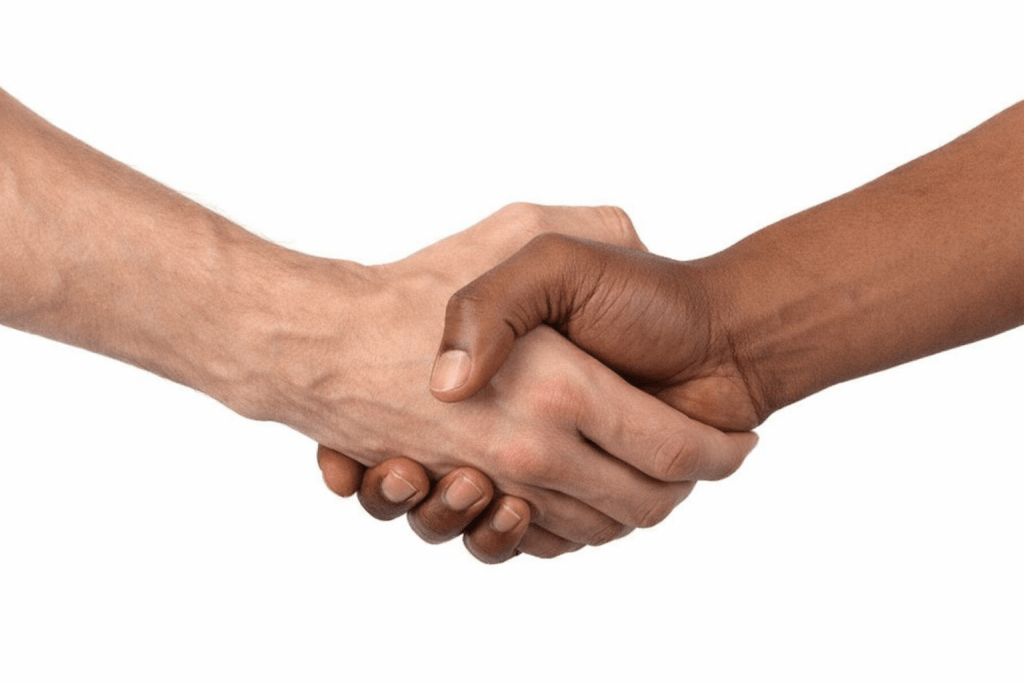
 The Home of Blended Lineage Families