
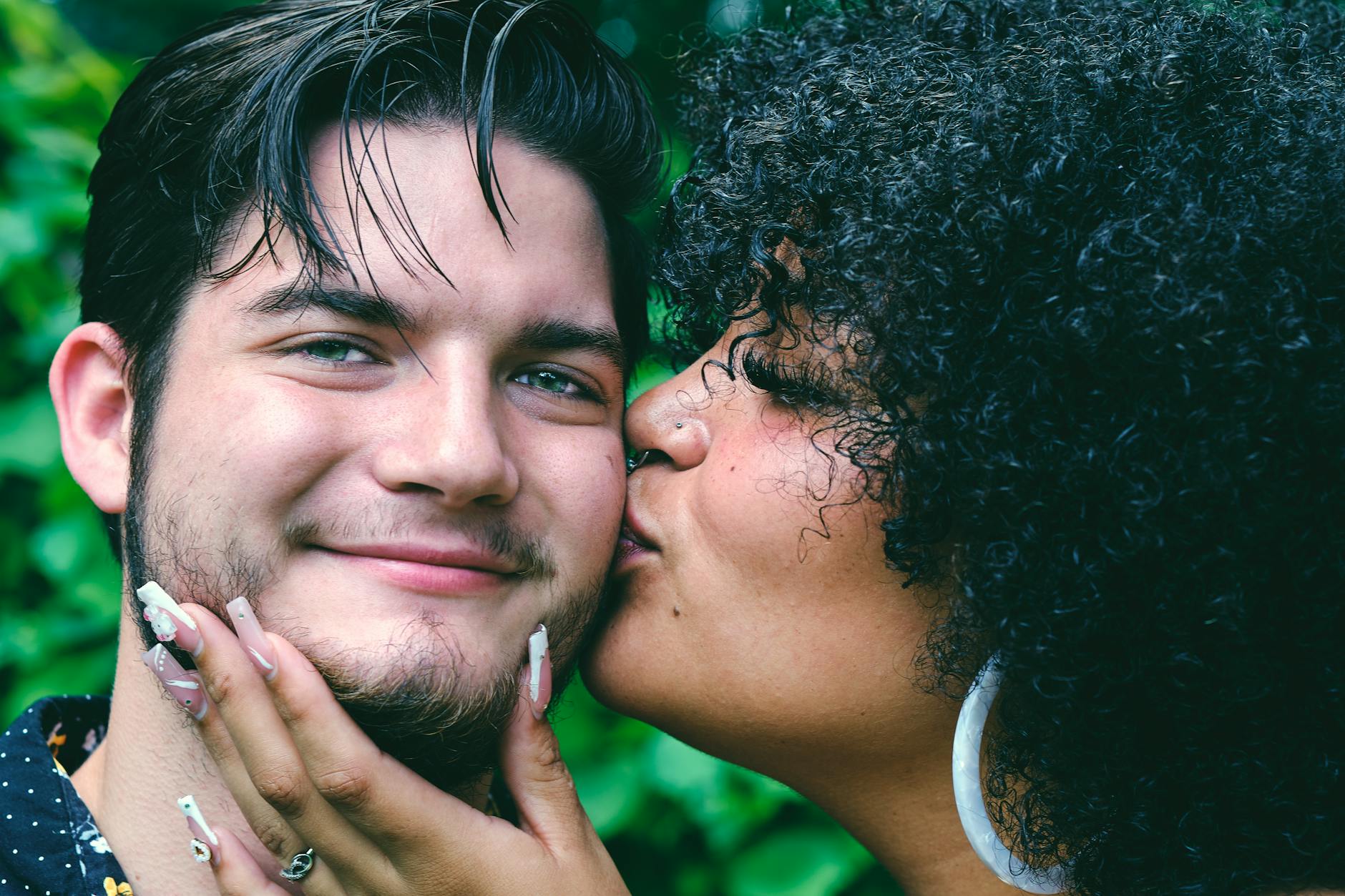
Today we see blended, multicultural families everywhere — but it wasn’t always like this.
There was a time when Black women did not date or marry white men.
Not because they didn’t feel love, but because the cost was too high.
The pressure was real.
The history was heavy.
Their choices were tied to survival, dignity, and community.
Black Men Crossed the Line More Freely
Black men stepped into interracial relationships long before Black women ever could.
Even when it was dangerous, even when it could cost them their lives,
they weren’t judged by their own community the same way.
It was a painful double standard — but it was real.
Carrying History: The Burdens Black Women Faced
Black women’s lives were shaped by far more than personal choices; they carried the heavy weight of history on their shoulders. Their lives were shaped by deep-rooted forces that transcended individual decisions.
Generational Trauma and Power Imbalance
Generational trauma connected to white men was a persistent burden. Centuries of violation, exploitation, and unequal power dynamics left permanent marks on their lineage. Even when laws changed, the memory of this history did not fade away.
The Burden of Protecting the Race
Black women were often told—both directly and indirectly—to “hold the line” and not weaken the community. Their choices were not simply matters of preference; they were linked to survival and the preservation of the community.
Community Expectations
Every decision a Black woman made was scrutinized, judged, and interpreted as a reflection of her loyalty. For them, love and relationships weren’t private affairs but rather public declarations for everyone in the community to see.
Ancestral Responsibility
Black women carried the stories, pain, and resilience of those who came before them. They felt accountable to their ancestors, the women who had endured so much hardship and oppression.
Historical and Emotional Weight
What they carried was not just fear—it was a profound weight: historical, emotional, and communal. This burden shaped their lives and choices, tying them to both the past and the future of their community.
Why White Women Crossed the Line More Easily
In contrast, white women faced different circumstances. They were not carrying trauma tied to Black men, nor were they expected to protect their race. The consequences they faced were social rather than ancestral, and for some, crossing the line represented freedom from strict white-society rules. The stakes simply were not the same.
Where We Stand Now
Modern families — multicultural, multiracial, blended —
are not breaking tradition.
They are restoring it.
They are returning to the human story that existed
before trauma, before fear, before boundaries,
before anyone tried to control who could love whom.
The future looks like the past before it was the past.
Before Slavery, Before Fear — Here in America
Long before slavery, long before domination,
people on this land were already mixing, traveling, blending, connecting.
It wasn’t rare.
It wasn’t forbidden.
It was the way of life.
Native nations intermarried, adopted outsiders, and built alliances through family ties.
This land was a crossroads long before it was a country.
Yes, white settlers also formed relationships and married across racial lines during this early period.
Before race laws existed, people simply chose each other.
Because blending wasn’t the exception — it was the original American story.
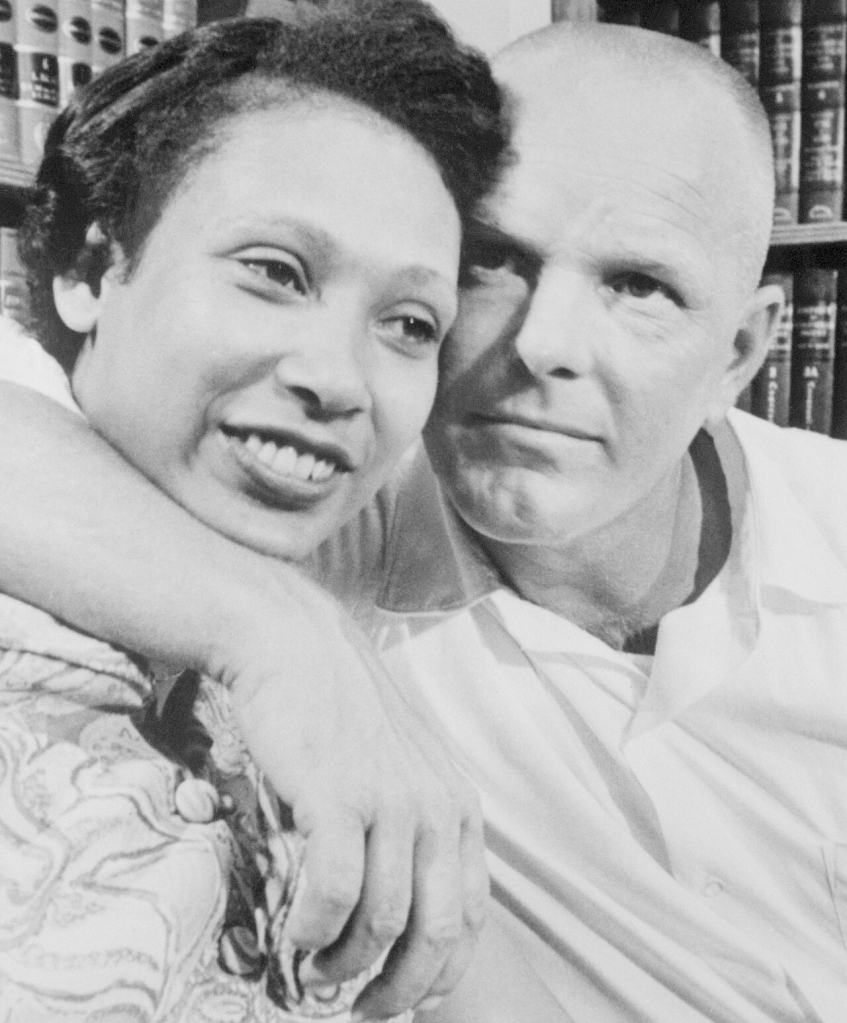
Mildred and Richard Loving’s 1967 Supreme Court case ended interracial marriage bans across much of the United States. They loved each other long before segregation laws tried to tell them they couldn’t.
 The Home of Blended Lineage Families