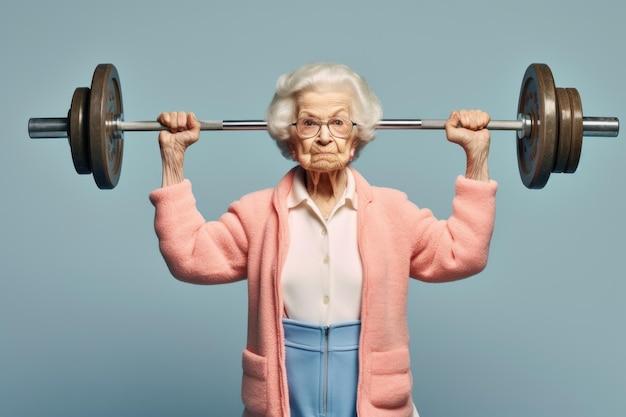
Stronger than the stories they told — and still lifting.
Throughout my life, I have confronted stereotypes that tried to define my abilities and worth. There was a time in history when it was commonly believed that a person of color could not read or write. As I grew older, I noticed another stereotype: that people my age are often overlooked or forgotten.
But I have proven these assumptions wrong. Even at 70, I can read and write—and I am also capable of authoring books and creating websites. Stereotypes can slow us down and hinder our abilities if we let them. But my experiences show that it is possible to rise above these limiting beliefs and demonstrate true capability.
Stereotypes: How They Work and Why They Harm
Stereotypes are shortcuts people use when they do not want to do the real work of seeing one another. They flatten whole histories into a single image, a single assumption, a single story that was never true in the first place. They travel through families, classrooms, churches, and neighborhoods like hand‑me‑down myths, shaping how children learn to read the world before they even know the word stereotype.
Some stereotypes are loud and obvious. Others are quiet, tucked into jokes, warnings, or “just how things are.” But all of them do the same thing — they block the connection. They teach people to look at a person and see a category instead of a life.
Children feel stereotypes long before they can name them. They feel the shift in a room. They feel the rules about who is safe, who is dangerous, who is smart, who is trouble, who belongs, and who must prove themselves twice over. They learn to navigate these invisible lines the way other children learn sidewalks and crosswalks.
Breaking the Pattern
But stereotypes are not destiny. They can be unlearned, challenged, dismantled. They lose their power the moment someone pauses long enough to ask:
- Is this true?
- Who told me this?
- Why did I believe it?
That pause — that moment of clarity — is where freedom begins.
Stereotypes shrink the world.
Truth restores it.
 The Home of Blended Lineage Families